What Are the Best Trees for Firewood?
Choosing the best trees for firewood affects heat output, ease of splitting, drying time, and how cleanly a stove or fireplace runs. In short: dense hardwoods give long, steady heat; select softwoods and fast-growing coppice can fill gaps and light quickly. This article follows the structure and constraints of the provided brief.
best trees for firewood
One of the biggest differences between species is energy density: the denser the wood, the more heat per log. It is a simple rule of thumb that is a good first filter when planning your supply.
What Tree Makes the Best Firewood?
If you burn primarily for space heating, oak and ash top many shortlists: oak is the classic, long-burning hardwood that seasons slowly and rewards patience with a hot, even bed of coals; ash lights more readily, seasons faster, and still delivers strong heat. Dense hornbeam, beech, maple, and hickory are similarly excellent. On the softer side, birch catches quickly and produces a lively flame but can burn fast if not mixed with slower woods.
When evaluating species, consider:
- Heat (BTU per cord) – higher BTU means more heat.
- Seasoning time – some woods dry in one summer; others need two.
- Ease of splitting – straight grain is easier to split.
- Creosote potential – resinous species can deposit more creosote if burned unseasoned.
Quick reference: common species
| Species (seasoned) | Typical BTU/cord (approx.) | Ease to split | Notes |
| White/Red Oak | 24–26M | Medium–Hard | Elite heat, longer seasoning |
| Ash (white/green) | 23–24M | Easy–Medium | Can be burned somewhat “green,” seasons fast |
| Beech | 23–24M | Medium | Hot, steady coals |
| Maple (sugar) | 24M | Medium | Great all-rounder |
| Hickory | 27–28M | Hard | Very hot, heavy to handle |
| Birch | 20–21M | Easy | Lights fast; mix with oak |
| Pine/Spruce/Fir | 15–17M | Easy | Great for kindling; watch creosote if unseasoned |
| Willow/Poplar | 14–16M | Easy | Dries fast; best for shoulder seasons |
The best trees for steady winter heat are high-BTU hardwoods; birch and softwoods shine for quick light-ups and shoulder-season fires.
A practical sentence to help with phrasing and on-page relevance: it is easy to tell a good stove mix if you pair dense hardwood (for a long coal bed) with a quick-lighting species, because this is the combination that produces a lively start and produces a steady finish.
Harvesting Firewood
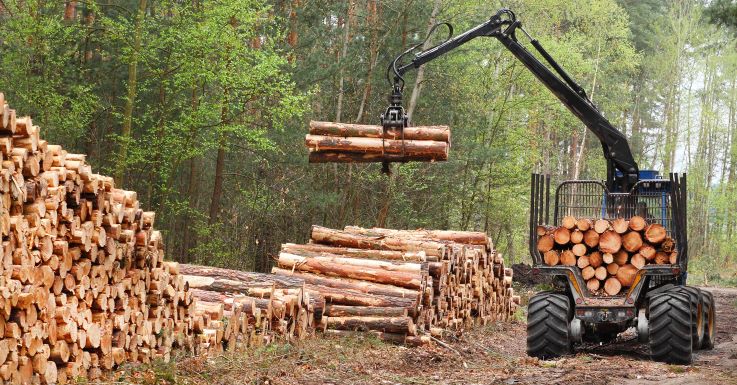
Safe, ethical harvesting starts with a plan.
- Check permits and property lines. Follow local rules; never cut protected trees.
- Cull windfall and standing dead. Dry snag wood can be excellent but test for rot.
- Cut to stove length in a single pass when possible; buck consistently to stack neatly in a cord.
- Split promptly. Many species are easier to split when fresh.
- Season on rails. Keep rounds and splits off soil to reduce mold and wicking.
- PPE is a must. Helmet, chaps, gloves, and eye/ear protection.
When planning a self-sufficiency plot, coppice systems (e.g., willow, poplar) are easy to establish and the cycles can be short.
Fast-Growing Trees for Firewood
If the goal is fast renewable fuel, think fast, growing species that tolerate repeated cutting (to grow again from the stool):
- Hybrid willow and poplar (short-rotation coppice): very fast to establish, ready to cut in 3–5 years; lower BTU, great for kindling and shoulder seasons.
- Alder: growing quickly on poor soils, seasons rapidly; burn mixed with denser wood.
- Silver maple and boxelder: growing well in many climates, respectable BTU for speed.
This mix is a pragmatic path for a household that wants a dependable pipeline of “now” wood while slower hardwoods mature.
What Is a Cord of Firewood?
A cord is the legal unit for stacked firewood volume: it is a stack of wood for fuel measuring in a tight 4 ft × 4 ft × 8 ft (128 cubic feet) when well stacked. Face cords or “ricks” are regional terms and are not standardized—always confirm dimensions before buying.
Purchasing Firewood
Buying well takes the same discipline as cutting:
- Moisture content. Ask for meter readings; seasoned firewood should be ≈15–20% MC.
- Species disclosure. Mixed hardwood “loads” vary; request a list.
- Length and split size. Match your stove’s firebox; oversized rounds waste money.
- Delivery terms. Clarify whether stacking is included and how volume is measured.
- Timing. Buy early; prices rise before cold snaps and after storms.
In many markets, ash and oak are premium. That is a signal of demand and burn quality, but do not overlook beech or maple: they have similar heat with fewer supply bottlenecks.
Storing Firewood
Storage makes or breaks performance:
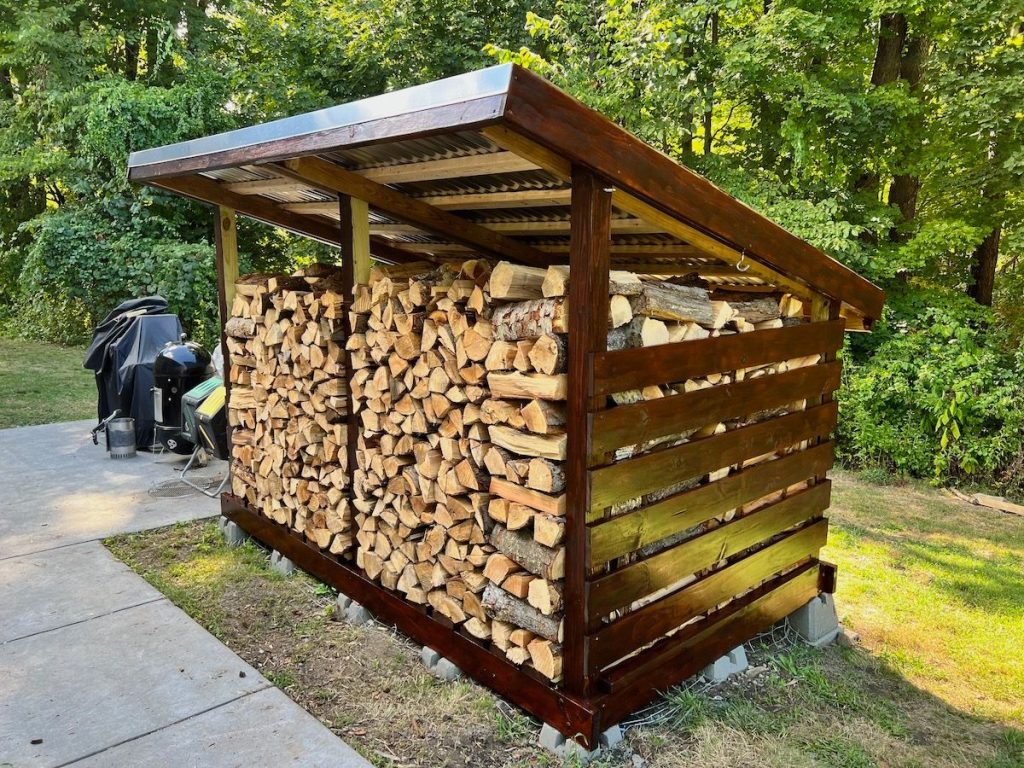
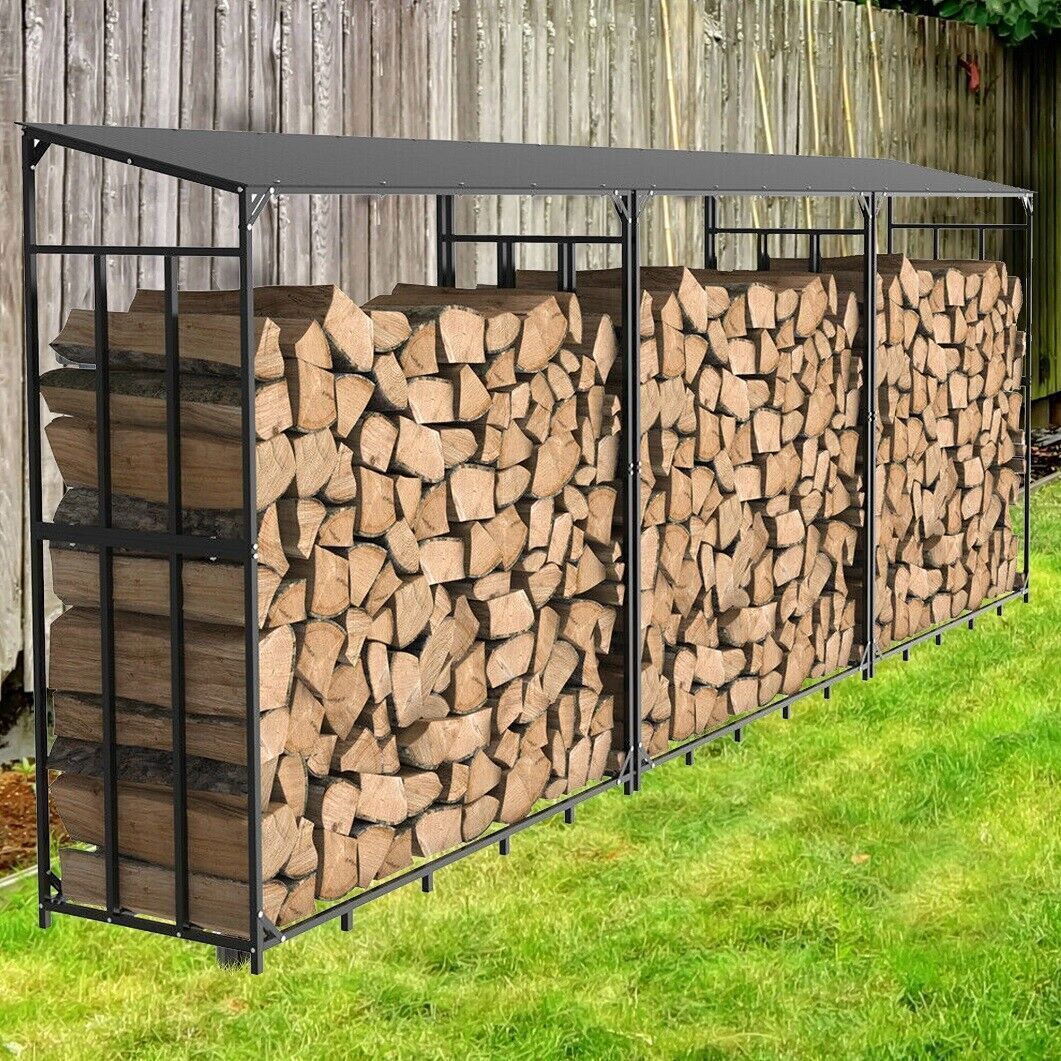
- Airflow first. Stack on pallets or rails; leave gaps between rows.
- Sun and wind. South-facing, uncovered tops speed drying; add a roof or a good top cover near season’s start to keep rain off.
- Distance from the house. Keep stacks 5–10 m away to discourage pests.
- Rotation. Oldest first. Label stacks by month/year.
Sample seasoning timetable (temperate climate)
| Species | Split size | Good-to-burn target |
| Birch, softwoods | Small–Medium | 6–9 months |
| Ash, maple | Medium | 9–12 months |
| Oak, beech, hickory | Medium–Large | 18–24 months |
Firewood and Invasive Insects
Moving infested logs spreads tree pests such as emerald ash borer, Asian longhorned beetle, or gypsy moth egg masses. Buy local, burn local; brush off bark, and never transport firewood across quarantine lines. When you see suspicious galleries or frass, contact your local forestry office.
Tree of the Month: Overcup White Oak
Overcup white oak (Quercus lyrata) is one of the most underappreciated fuel woods in suitable regions. It tolerates periodic flooding, growing well on bottomlands, and seasons into dense, long-burning splits that hold coals overnight. For landowners restoring wet ground, it offers wildlife value and produces a reliable BTU profile.
Trees and Nashville Wildlife Part 1: Birds
Mast from oaks, beeches, and hickories supports woodpeckers, nuthatches, and wintering songbirds; snag trees provide cavities; brush piles from limbing create shelter. Responsible firewood management can be a habitat win: leave some standing dead trees for cavity nesters and keep riparian buffers intact.
Nashville Tree Conservation Corps works to promote, preserve, protect, and plant the tree canopy in Davidson County.
Community organizations help residents identify the right species to grow, schedule volunteer cuts of storm-felled wood, and educate about safe burning. Partnering with such groups aligns heating goals with canopy health.
Putting it all together (quick planner)
- Heat-first households: stack 60–70% oak/beech/hickory, 20–30% ash/maple, 10% birch/softwoods for kindling.
- Self-growers: establish willow/poplar coppice to grow quick fuel while oak/ash plantations mature.
- Buyers: insist on moisture readings and known species; confirm cord dimensions at purchase and stack immediately on rails with a breathable top cover.
Final checklist: If you want steady winter heat that can be counted on, choose dense hardwoods for the main stack, add quick-lighting species for startups, season patiently, and store smart. That mix is the proven recipe for comfort and the cleanest burn.