The Rise of Wood in Eco-Friendly Architecture and Interior Design
Introduction
As sustainability becomes a priority in modern construction, wood is emerging as a key material in eco-friendly architecture and interior design. Its renewable nature, aesthetic appeal, and low carbon footprint make it an ideal choice for environmentally conscious designers and builders. The shift towards wood-based designs aligns with global efforts to reduce the environmental impact of the construction industry.
Abstract
- Sustainability and Environmental Benefits
- Versatility
- Lorem ipsum dolor sit amet
- Lorem ipsum dolor sit amet
Sustainability and Environmental Benefits
Wood is a renewable resource that absorbs carbon dioxide during its growth, making it a carbon-neutral material. Compared to concrete and steel, wood requires less energy to produce, reducing overall greenhouse gas emissions. Sustainably harvested wood from certified forests ensures responsible sourcing and promotes forest regeneration.
Versatility in Architectural Design
Modern engineering techniques have expanded the use of wood in architecture. Cross-laminated timber (CLT) and glue-laminated timber (glulam) provide high-strength alternatives to traditional building materials, enabling the construction of multi-story wooden structures. These innovations allow architects to design aesthetically pleasing and structurally sound buildings while maintaining environmental responsibility.
Enhancing Interior Spaces with Wood
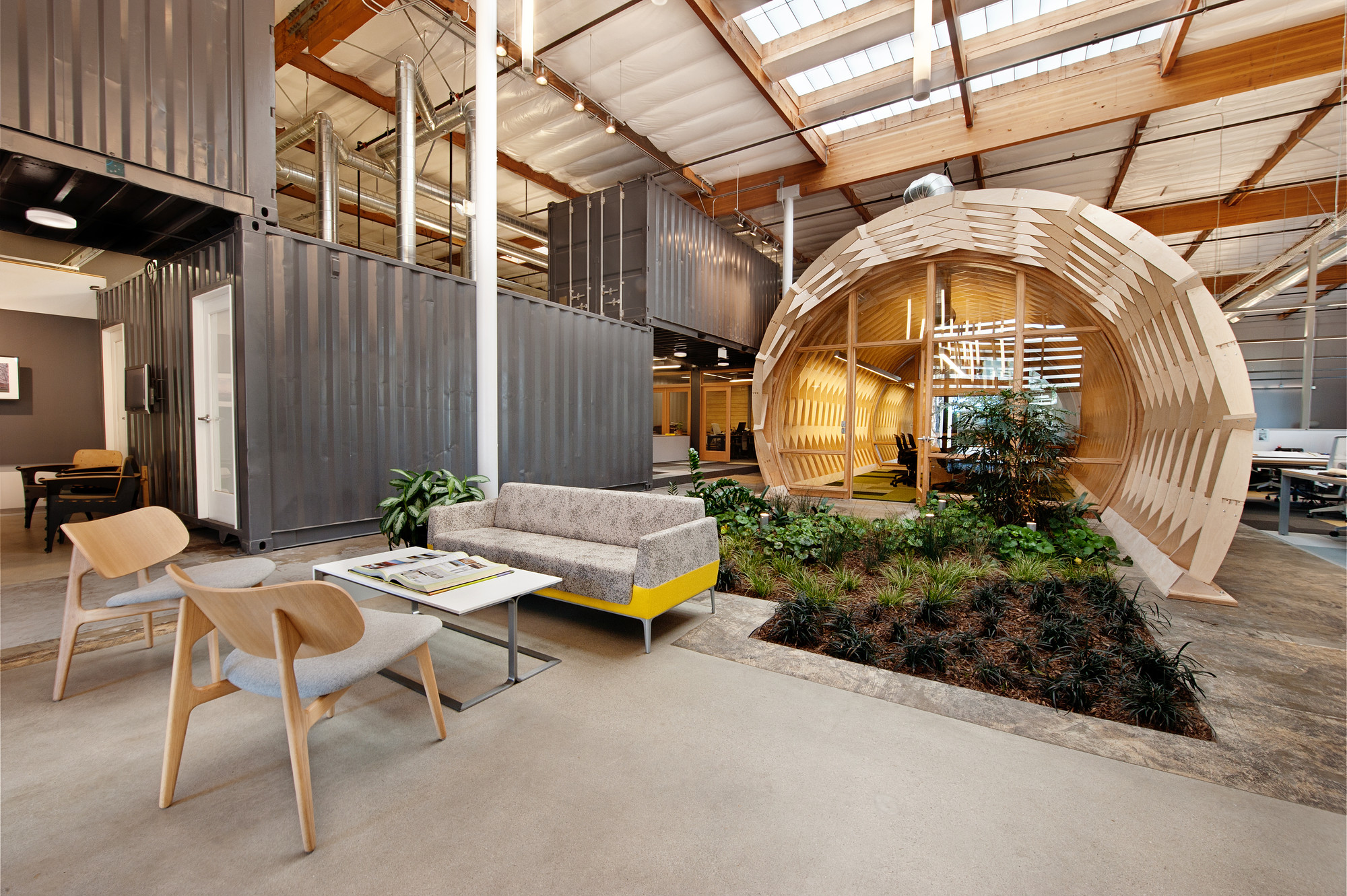
In interior design, wood brings warmth, texture, and natural beauty to living and working spaces. Wooden elements such as flooring, paneling, and furniture create inviting environments while improving indoor air quality. The use of reclaimed and recycled wood further reduces waste and adds character to interior spaces.
Energy Efficiency and Insulation Properties
Wood’s natural insulating properties contribute to energy-efficient buildings by reducing heating and cooling needs. Its ability to regulate humidity and temperature enhances indoor comfort while lowering energy consumption. Integrating wood with other sustainable materials amplifies its eco-friendly benefits.
The Future of Wood in Sustainable Design
As technology advances, the potential for wood in eco-friendly architecture continues to grow. Innovations in sustainable forestry, prefabrication, and bio-based treatments are making wood an even more viable option for the future. With increasing awareness and commitment to sustainability, wood is set to play a pivotal role in shaping the built environment.
Conclusion
The rise of wood in eco-friendly architecture and interior design underscores its significance as a sustainable and versatile material. By embracing responsibly sourced wood, designers and architects contribute to a greener, more sustainable future. As demand for eco-conscious construction grows, wood remains at the forefront of innovative and environmentally responsible design solutions.