The Future of Sustainable Wood: How Zuma Woods is Leading the Way

Introduction
In a world where sustainability has become a necessity rather than a luxury, industries are evolving to adopt more eco-friendly solutions. The wood industry, long criticized for its impact on deforestation and climate change, is undergoing a remarkable transformation. Companies like Zuma Woods are at the forefront of this shift, pioneering sustainable wood solutions that not only preserve forests but also redefine the future of woodworking.
This article explores the importance of sustainable wood, how Zuma Woods is leading the industry, and what the future holds for sustainable timber.
Why Sustainable Wood Matters
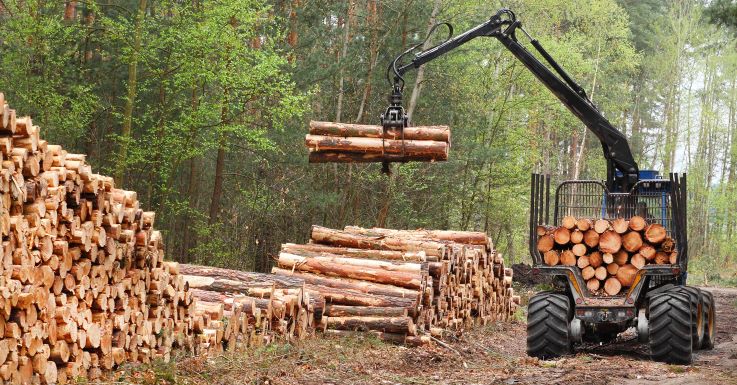
The demand for wood continues to grow as it remains a fundamental resource in construction, furniture, and countless other applications. However, traditional logging practices have led to severe environmental issues, including:
- Deforestation – A significant contributor to climate change and loss of biodiversity.
- Soil Degradation – Removing trees disrupts ecosystems and reduces soil fertility.
- Carbon Emissions – Unsustainable logging contributes to increased greenhouse gas emissions.
- Loss of Wildlife Habitat – Many species lose their homes due to excessive deforestation.
Sustainable wood addresses these concerns by ensuring responsible harvesting, reforestation, and eco-conscious manufacturing processes. Companies like Zuma Woods are playing a crucial role in making sustainable wood the new industry standard.
Zuma Woods: Pioneers in Eco-Friendly Timber
1. Ethically Sourced Wood
One of Zuma Woods’ primary commitments is using wood sourced from responsibly managed forests. They partner with certified suppliers who adhere to FSC (Forest Stewardship Council) and PEFC (Programme for the Endorsement of Forest Certification) guidelines, ensuring that every tree cut is replaced or naturally regenerated.
2. Innovation in Reclaimed Wood
Zuma Woods has taken sustainability a step further by championing the use of reclaimed wood. This involves salvaging wood from old buildings, furniture, and other structures, giving it new life rather than letting it go to waste. Reclaimed wood not only reduces the need for fresh logging but also adds unique character and history to the products made from it.
3. Eco-Friendly Manufacturing Processes
Sustainable practices don’t stop at sourcing; Zuma Woods has integrated low-impact processing techniques to minimize waste and energy consumption. These include:
- Non-toxic adhesives and finishes – Avoiding harmful chemicals that can pollute the environment.
- Solar-powered production facilities – Reducing reliance on fossil fuels.
- Water-efficient manufacturing – Using closed-loop systems to prevent water wastage.
4. Carbon Neutral Operations
Zuma Woods aims to offset its carbon footprint through initiatives like tree planting programs, investing in renewable energy, and supporting carbon offset projects. This holistic approach ensures that the company’s impact on the environment is neutral, if not positive.
5. Sustainable Design and Durability
One of the biggest challenges in sustainability is product lifespan. Many wood products degrade quickly and require replacement, leading to further resource consumption. Zuma Woods addresses this by designing durable, high-quality wood products that last for generations, reducing the cycle of waste and replacement.
The Future of Sustainable Wood
1. The Rise of Engineered Wood
With technology advancing rapidly, engineered wood products like cross-laminated timber (CLT) and laminated veneer lumber (LVL) are becoming mainstream. These alternatives use less raw material while maintaining strength and durability, making them a more sustainable choice for construction and furniture-making. Zuma Woods is already integrating these innovations into its product lineup.
2. Smart Forest Management
New digital tools and AI-driven forest monitoring are enabling more efficient forest management. By using drones, satellite imaging, and blockchain-based tracking, companies can ensure that logging is done sustainably and transparently. Zuma Woods is investing in these technologies to enhance its supply chain integrity and sustainability efforts.
3. Increased Consumer Awareness
As consumers become more environmentally conscious, demand for sustainable products is growing. People are actively choosing eco-friendly furniture, home decor, and construction materials, pushing companies to adopt greener solutions. Zuma Woods’ strong brand reputation in sustainability is positioning it as a leader in this evolving market.
4. Government Regulations and Incentives
Many governments worldwide are implementing stricter regulations on logging and offering incentives for sustainable wood production. This shift will accelerate the adoption of eco-friendly wood solutions. Zuma Woods, by staying ahead of compliance requirements, is setting a benchmark for responsible wood sourcing and production.
5. Advancements in Wood Recycling
In the near future, we can expect improved techniques for wood recycling and upcycling. Innovations such as biodegradable adhesives, zero-waste carpentry, and advanced material recovery will make sustainable wood an even more viable option for industries worldwide.
How Zuma Woods is Shaping the Industry
1. Collaborations with Architects and Designers
Zuma Woods is actively partnering with architects, interior designers, and construction firms to integrate sustainable wood into high-end designs. From luxury hotels to eco-friendly homes, their wood solutions are proving that sustainability doesn’t mean compromising on aesthetics or quality.
2. Community and Environmental Initiatives
Beyond business, Zuma Woods supports various reforestation programs, education initiatives, and fair-trade policies that benefit both the environment and local communities. By giving back, they’re ensuring that sustainability extends beyond their products and into society.
3. Educational Campaigns on Sustainable Wood
Zuma Woods is committed to raising awareness about the importance of sustainable wood. Through workshops, online content, and collaborations with environmental organizations, they are inspiring both businesses and consumers to make more eco-conscious choices.
Conclusion
The future of sustainable wood is promising, with companies like Zuma Woods leading the charge. By prioritizing ethical sourcing, innovative recycling, eco-friendly production, and carbon neutrality, they are setting a new standard for the woodworking industry. As technology advances, consumer awareness grows, and regulations tighten, sustainable wood will no longer be a niche option—it will become the norm.
For those looking to make responsible choices, Zuma Woods is proving that eco-friendly wood can be stylish, durable, and impactful. The next time you invest in furniture or wood products, consider choosing sustainability—not just for today, but for the future of our planet.