The Best Way to Dry and Stack Firewood
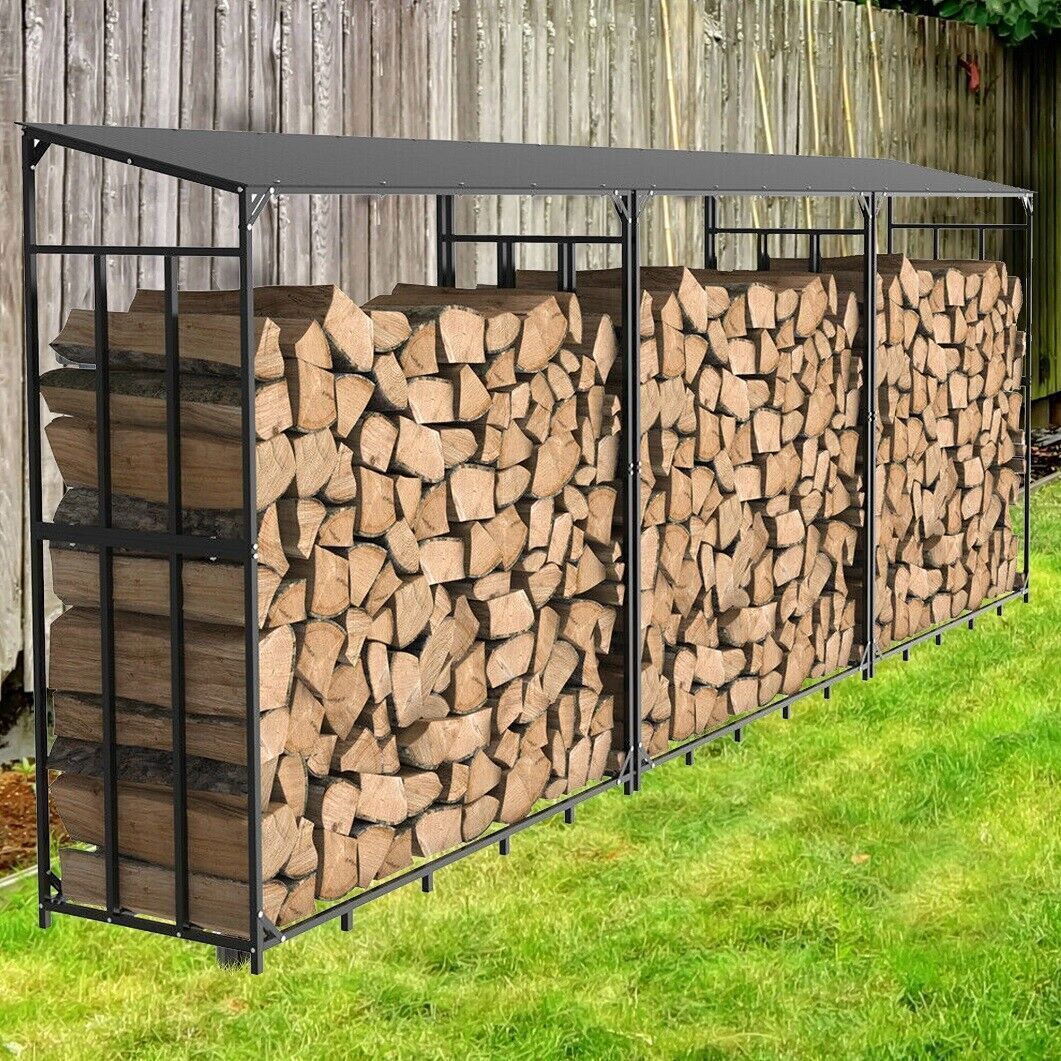
Knowing the best way to dry and stack firewood helps every homeowner prepare efficient fuel to burn cleanly and safely through winter. Proper airflow, exposure to sunlight, and correct stacking techniques speed up drying firewood, improving heat output and reducing smoke.
How to Dry Firewood Effectively
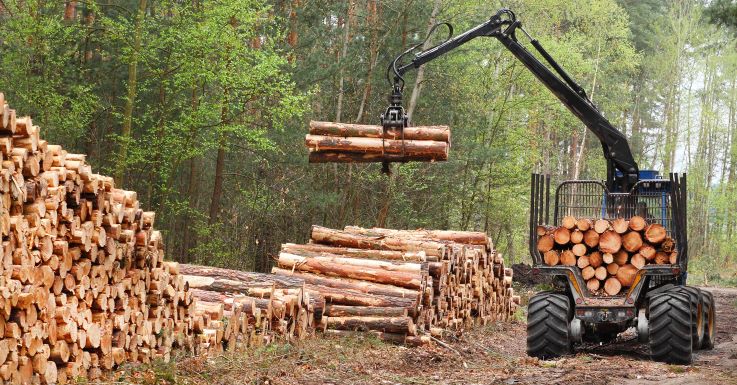
The process of drying firewood starts the moment trees are cut. Fresh logs contain up to 60 % moisture, so they must be left to season before use. Below is a proven method for how to dry firewood that preserves quality and prevents waste.
1. Split the Logs Early
Split logs immediately after cutting. Smaller pieces allow air to move freely in the grain and accelerate evaporation. Hardwoods such as oak, beech, and hornbeam take longer time to dry than softwoods like pine or spruce, while birch dries relatively quickly.
2. Choose a Suitable Location
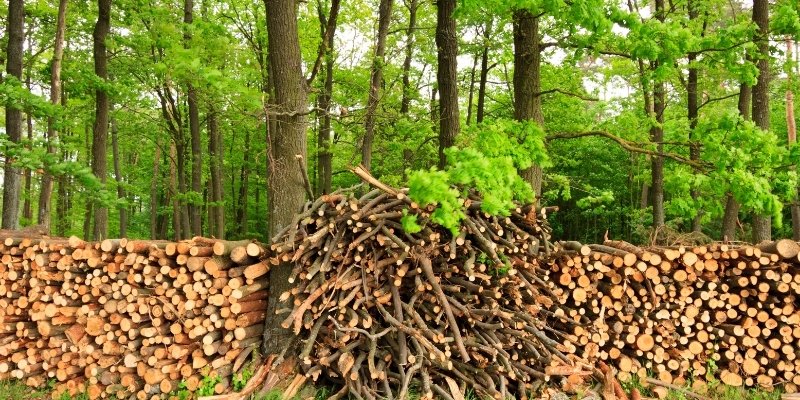
Select an open, breezy area with plenty of sunlight. Avoid shaded or damp spots near walls or fences. Good air circulation around the wood stack ensures faster seasoning and prevents mold growth.
3. Elevate and Stack Correctly
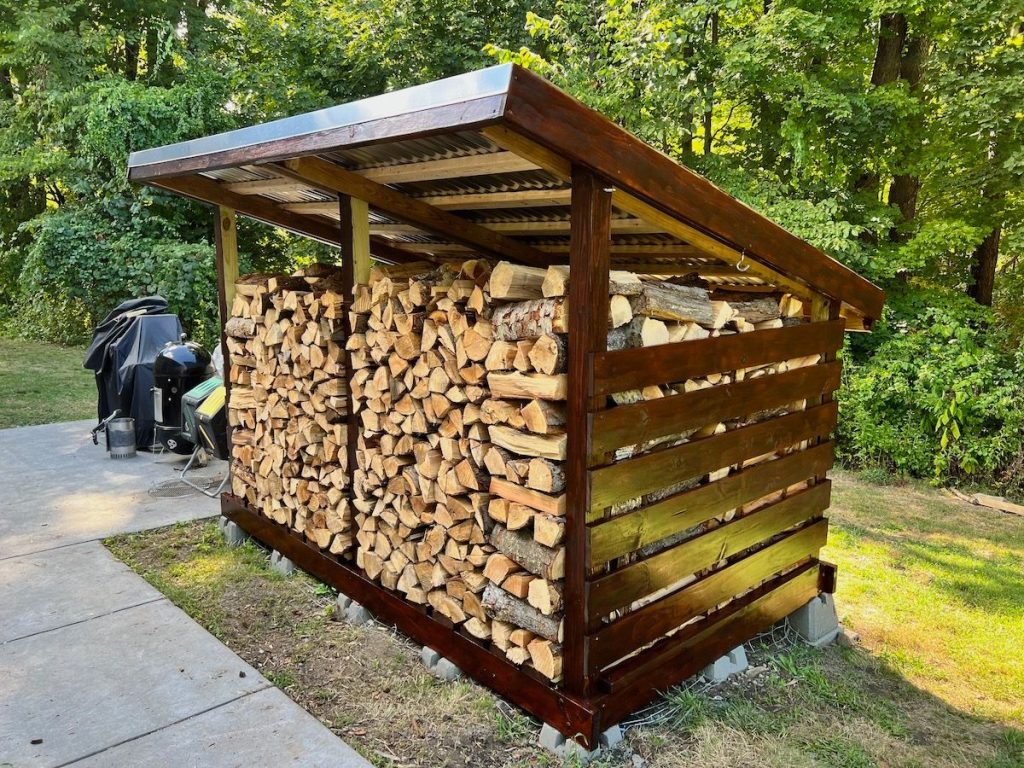
Keep your firewood off the ground by using pallets, rails, or concrete blocks. Stack logs loosely, bark-side up, so rainwater runs off easily. Each row should have space between pieces; tight piles trap moisture and delay drying.
4. Cover Only the Top
Moisture must escape during seasoning. Use a waterproof sheet or metal roof that covers the top of the wood stack while leaving the sides open for airflow. Completely covering stacks slows evaporation and increases the risk of rot.
5. Allow Enough Time to Season
Depending on wood type, local climate, and stack size, drying can take from six months to two years. Oak and hornbeam require more time because of their density, while birch and beech reach ideal moisture levels sooner.
Tips for Stacking Firewood the Right Way
Proper stacking is as important as drying. A good structure keeps your wood stable, ventilated, and easy to access.
Essential tips:
- Stack logs in a single row if possible; double rows restrict airflow.
- Align cut ends facing south or west to maximize sunlight.
- Keep stacks at least 30 cm away from the walls to avoid trapped humidity.
- Use shorter logs at the base for stability.
- Inspect periodically to remove decayed or insect-damaged pieces.
The best stack stands firm against wind and allows even drying throughout every layer.
Understanding Different Wood Types
Not all logs dry at the same rate. The density of each species affects both drying time and eventual heat output.
| Wood Type | Density | Approx. Drying Time | Notes |
| Birch | Medium | 6–9 months | Quick drying, lights easily |
| Beech | High | 12–18 months | Burns hot and long |
| Oak | Very High | 18–24 months | Slow to season, excellent heat |
| Hornbeam | Very High | 18–24 months | Dense, durable, clean burning |
Combining faster-drying species like birch with slower ones such as oak provides a steady fuel supply throughout the year.
Signs That Firewood Is Ready to Burn
Before use, always check that the wood is fully dry:
- Ends show deep cracks and greyish color;
- Logs sound hollow when struck together;
- Bark peels away easily;
- Pieces feel light for their size.
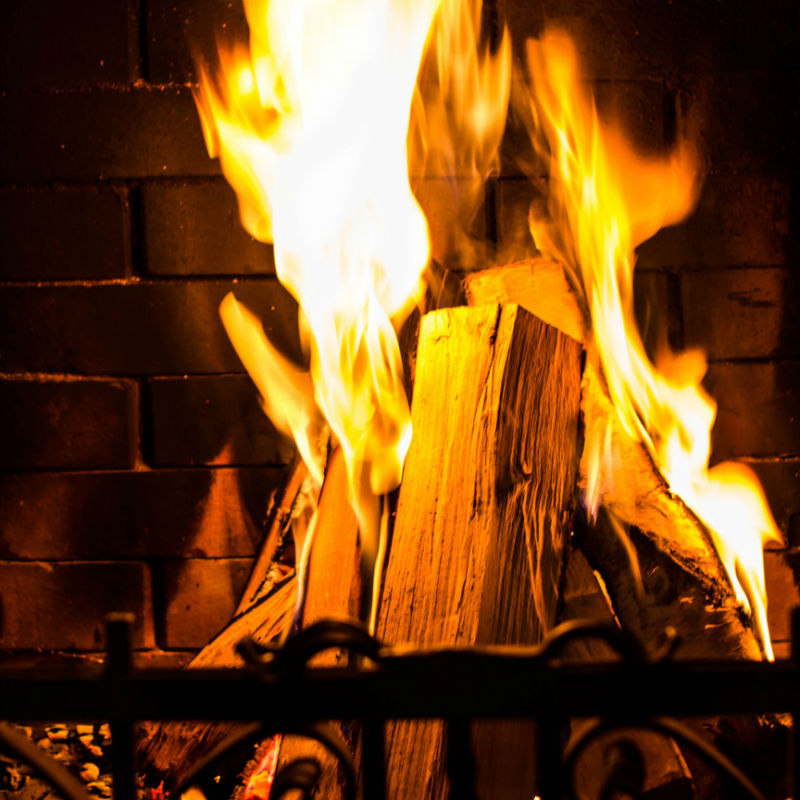
For precise measurement, use a moisture meter — it will confirm that your wood contains less than 20 % water. Dry logs ignite quickly, produce bright flames, and release less smoke.
Storing Your Firewood Long-Term
Once seasoned, keep your firewood dry by maintaining airflow and protection from rain. Store the wood in a shed or under an open-sided roof. Rotate older batches to use them first, and never stack against house walls to prevent insect transfer.
Well-stored fuel lasts for several seasons and guarantees maximum performance when burned.
Final Thoughts
The best way to dry and stack firewood combines correct splitting, ventilation, and patience. By giving logs enough time to season and stacking them properly, homeowners ensure safe, efficient heating with minimal smoke and maximum warmth. Whether working with oak, beech, hornbeam, or birch, following these methods keeps your firewood ready to burn whenever needed.