Sustainable Firewood
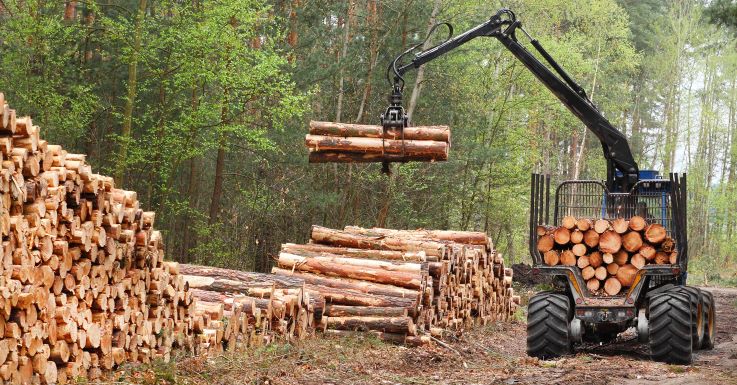
Choosing sustainable firewood is one of the most effective ways to enjoy cozy indoor heat while protecting forests and reducing carbon emissions. Responsible sourcing and proper burning practices help maintain the balance between renewable energy and environmental health.
Why Sustainable Firewood Matters
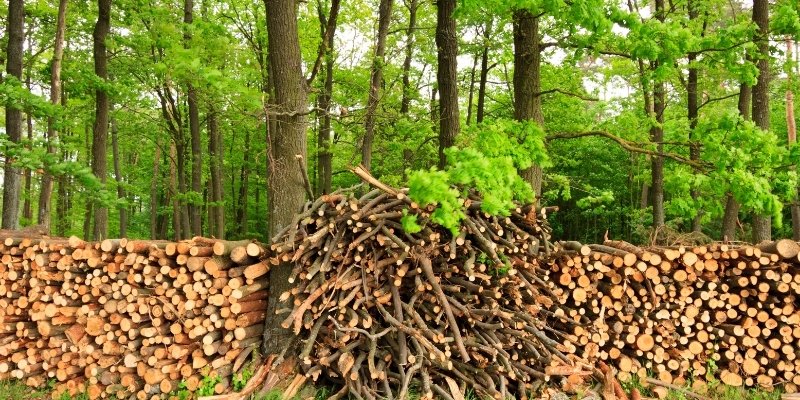
Traditional logging can lead to deforestation, soil degradation, and the loss of wildlife habitats. By contrast, sustainable firewood comes from managed forests, pruned trees, or sawmill by-products that would otherwise go to waste. This approach ensures that the same area can regrow, keeping carbon cycles in balance and supporting biodiversity.
Key benefits include:
- Reduced greenhouse gas emissions compared to fossil fuels;
- Continuous regeneration of trees and natural ecosystems;
- Local economic support through small forestry operations;
- Cleaner, longer burning logs when properly seasoned.
When firewood is sourced sustainably, it becomes a renewable and low-impact heating option — one that aligns perfectly with environmental responsibility.
How to Identify Sustainable or Organic Firewood
Recognizing responsibly harvested firewood is simple once you know what to look for. Certified suppliers often display eco-labels such as FSC (Forest Stewardship Council) or PEFC (Programme for the Endorsement of Forest Certification). These labels confirm that the wood was obtained without damaging the surrounding environment.
You can also look for organic firewood — logs and kindling that are free from chemicals, paint, or synthetic accelerants. This organic approach ensures clean burning with fewer pollutants released into the air.
Checklist for sustainable or organic wood:
- Locally sourced to minimize transport emissions;
- Properly seasoned or kiln-dried to reduce smoke;
- Cut from deadwood, thinnings, or pruning;
- Free from chemical treatment or varnish;
- Sold by certified, transparent suppliers.
Choosing local and organic sources also supports regional biodiversity and reduces dependence on imported fuels.
Tips for Responsible Burning
Even sustainably harvested wood must be used thoughtfully. Burning efficiently extends the life of resources and minimizes environmental impact.
To burn firewood responsibly:
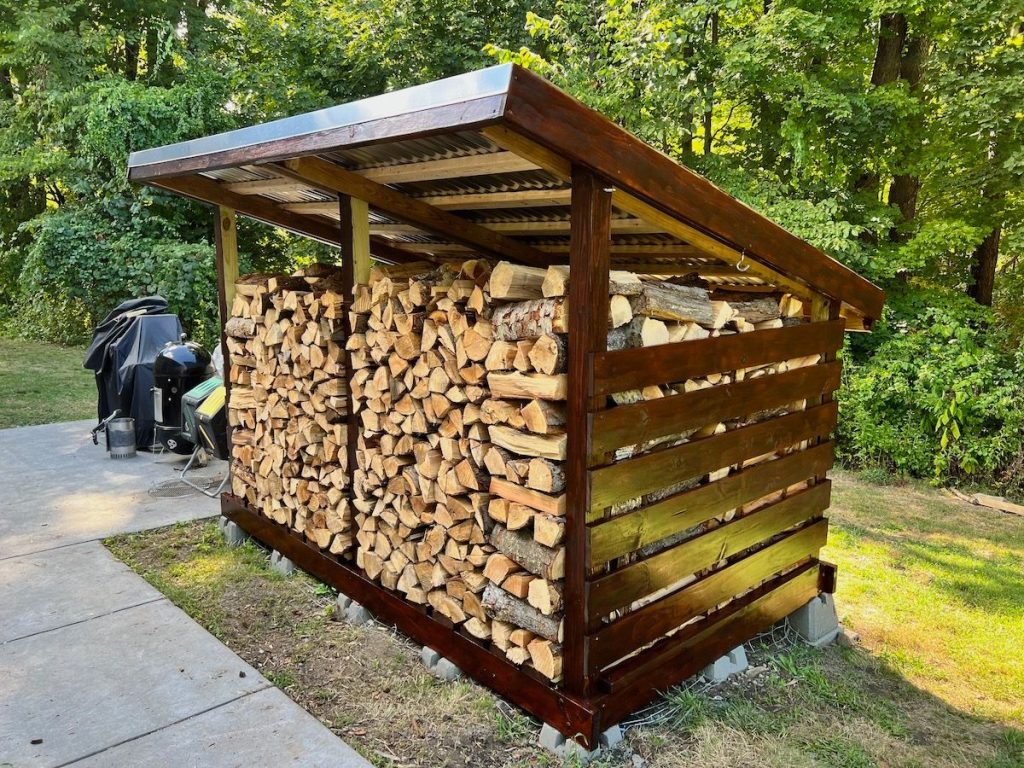
- Store it in a dry, ventilated space protected from rain.
- Use a moisture meter — logs should contain less than 20% water.
- Avoid burning plastics, treated timber, or wet materials.
- Maintain your stove or fireplace to ensure clean combustion.
- Reuse ash as a natural fertilizer for gardens — it contains valuable minerals.
Following these steps maximizes energy output, keeps air clean, and enhances the benefits of renewable heat.
Join Our Newsletter
Stay informed about new ways to live sustainably, manage natural resources, and source cleaner fuels for your home. Our regular updates share the best seasonal advice on renewable heating, responsible gardening, and forest care.
Wondering What to Plant When?
Trees that grow fast and thrive in local climates — such as birch, alder, or ash — make excellent candidates for sustainable firewood production. Planting native species contributes to soil protection, wildlife support, and future fuel independence.
Top Picks
If you’re looking for the most efficient firewood, consider these eco-friendly options:
- Ash – quick to dry, reliable flame;
- Beech – high heat output, clean burn;
- Birch – pleasant aroma, bright fire;
- Hornbeam – dense and long-lasting.
All of them can be part of a responsible, organic heating strategy when harvested sustainably.
Final Thoughts
Opting for sustainable firewood means choosing warmth without waste. It transforms daily heating into an act of care — for the environment, local communities, and future generations. When households switch to organic firewood and follow mindful burning habits, sustainability moves from theory to practice — one log at a time.