How to Store and Maintain Firewood for Maximum Efficiency
Introduction
Properly storing and maintaining firewood is essential to ensure maximum efficiency when burning. Firewood that is stored incorrectly can become damp, moldy, or infested with pests, reducing its effectiveness as a heat source. By following the right techniques, homeowners can keep their firewood dry, clean, and ready to use throughout the year.
Choosing the Right Firewood
The first step to efficient firewood storage is selecting the right type of wood. Hardwoods such as oak, maple, and hickory burn longer and produce more heat compared to softwoods like pine and fir, which tend to burn faster and create more creosote buildup. Ensuring that the firewood is properly seasoned before storage will also enhance its efficiency.
Proper Firewood Storage
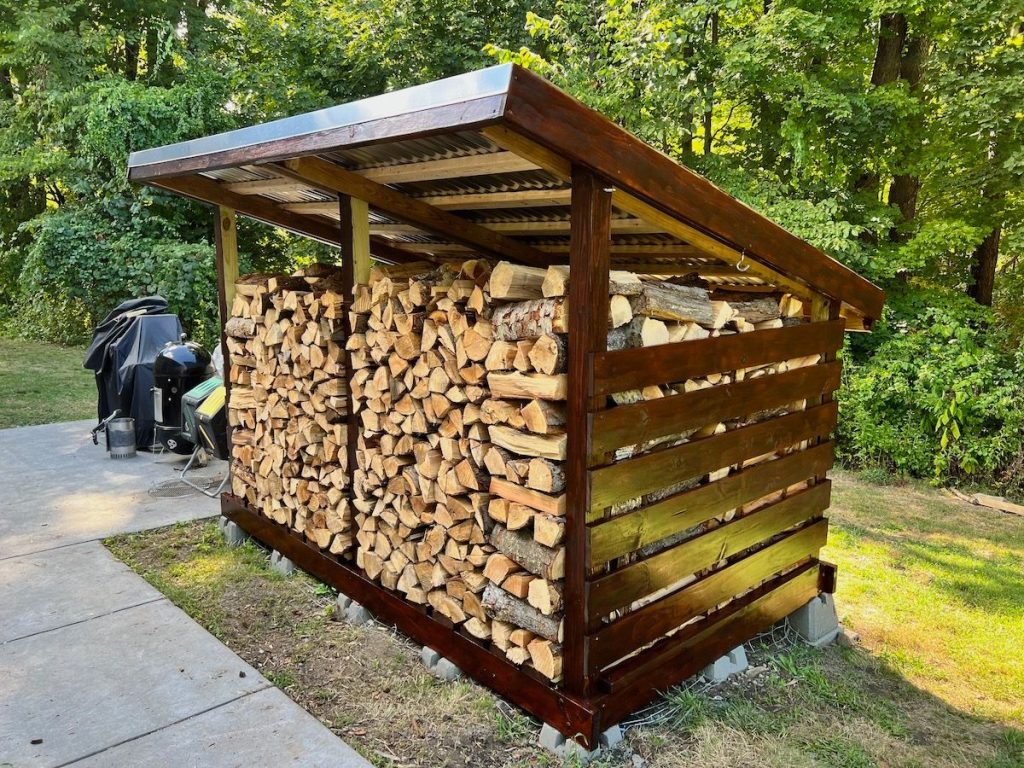
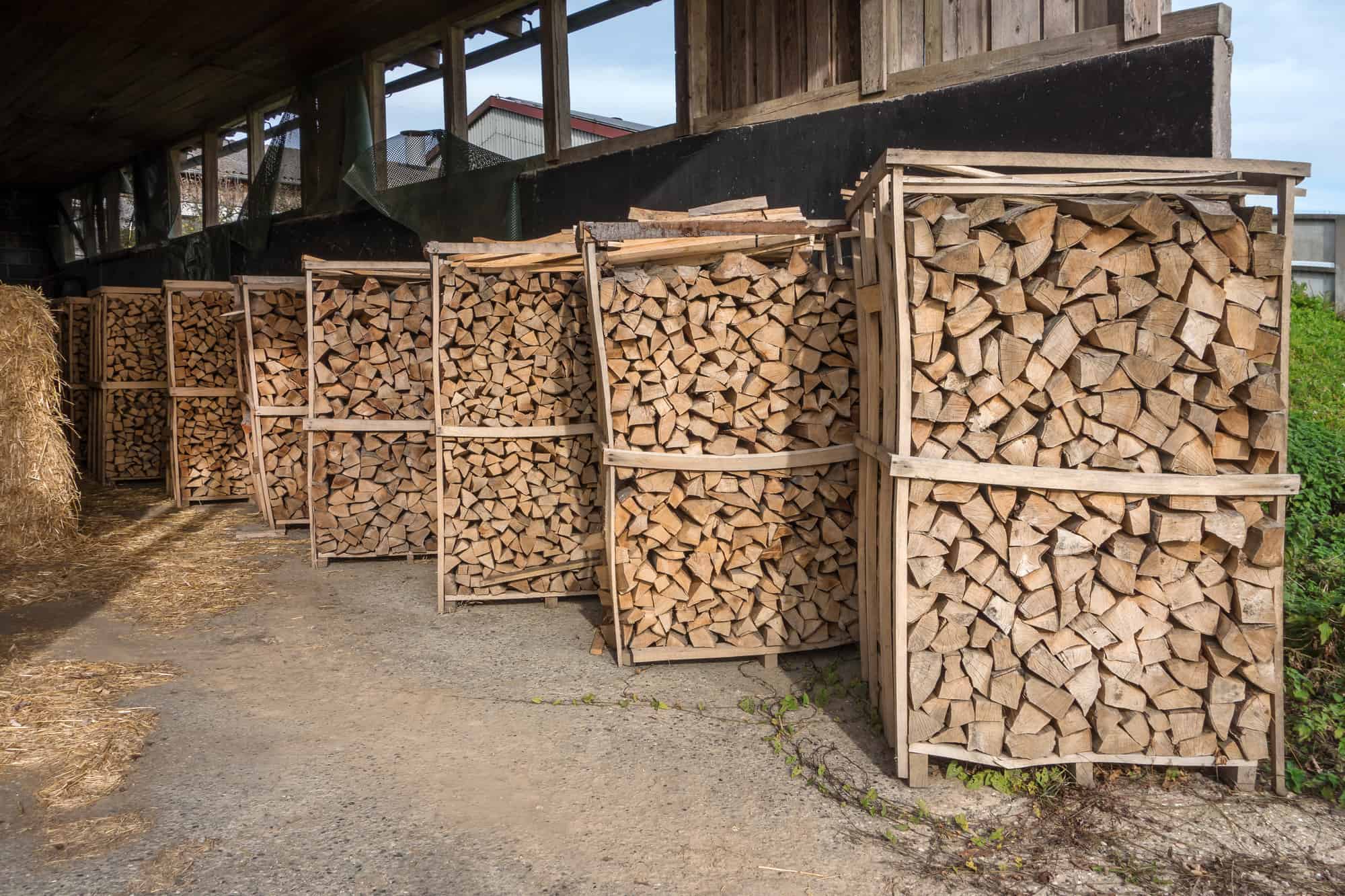
To keep firewood in optimal condition, it should be stored in a dry, well-ventilated area. The ideal firewood storage location is an elevated and covered space that allows air to circulate around the wood. Stacking firewood off the ground using pallets or racks prevents moisture absorption and reduces the risk of insect infestation. Covering the top of the stack with a tarp or firewood cover while keeping the sides open promotes airflow and prevents excessive moisture buildup.
Seasoning Firewood
Freshly cut wood contains a high moisture content, making it difficult to burn efficiently. To properly season firewood, it should be split into smaller logs and left to dry for at least six months to a year. Stacking logs in a crisscross pattern or in a single-row formation helps air circulate around the wood, speeding up the drying process. Well-seasoned wood is lighter, has visible cracks, and produces a hollow sound when struck together.
Maintaining Firewood Throughout the Year
Regularly inspecting and rotating firewood ensures that older logs are used first and prevents decay. Firewood should be checked for signs of mold, rot, or insect infestations and removed if compromised. Keeping the storage area clean and free from debris reduces the risk of pests nesting within the woodpile.
Protecting Firewood from Pests
Firewood can attract insects and rodents if not stored properly. To prevent infestations, keep firewood at least 20 feet away from the home and avoid stacking it directly against walls. Sprinkling diatomaceous earth or natural insect repellents around the storage area can help deter pests without using harmful chemicals. Additionally, bringing only small amounts of firewood indoors at a time reduces the likelihood of introducing pests into the home.
Conclusion
Storing and maintaining firewood correctly ensures that it burns efficiently, provides maximum heat output, and remains free from moisture and pests. By selecting the right firewood, storing it properly, seasoning it well, and maintaining the woodpile throughout the year, homeowners can enjoy a reliable and effective fuel source. Implementing these best practices will help maximize firewood efficiency and ensure a warm and cozy home during colder months.