How to Season Firewood
Properly seasoned firewood is the foundation of clean, efficient, and safe wood burning. When logs are dried to the right level, they produce more heat and less smoke, protecting stoves and chimneys from tar buildup. Understanding what is seasoned firewood and how to prepare it ensures that every fire you light performs at its best.
What Is Seasoning Wood?
Seasoning means allowing the wood to dry naturally over time by reducing the moisture content to an acceptable level. Freshly cut timber, also known as green wood, may contain up to 60% water. This moisture must be removed before burning. Seasoned firewood, by contrast, has a moisture level of 15–20%, making it ready to use in a stove, fireplace, or outdoor burner.
Key facts about seasoned firewood:
- The process typically takes 6–18 months, depending on the species and climate.
- Hardwoods such as oak and beech dry more slowly than softwoods like pine or spruce.
- Air circulation, sunlight, and protection from the rain are vital to dry the logs effectively.
The goal is to create fuel that lights easily, burns evenly, and provides consistent heat output.
How to Season Wood
To prepare your own seasoned firewood, start with freshly cut logs and follow a systematic drying process.
- Split logs early: Large rounds hold moisture inside; splitting increases surface area, helping them to dry faster.
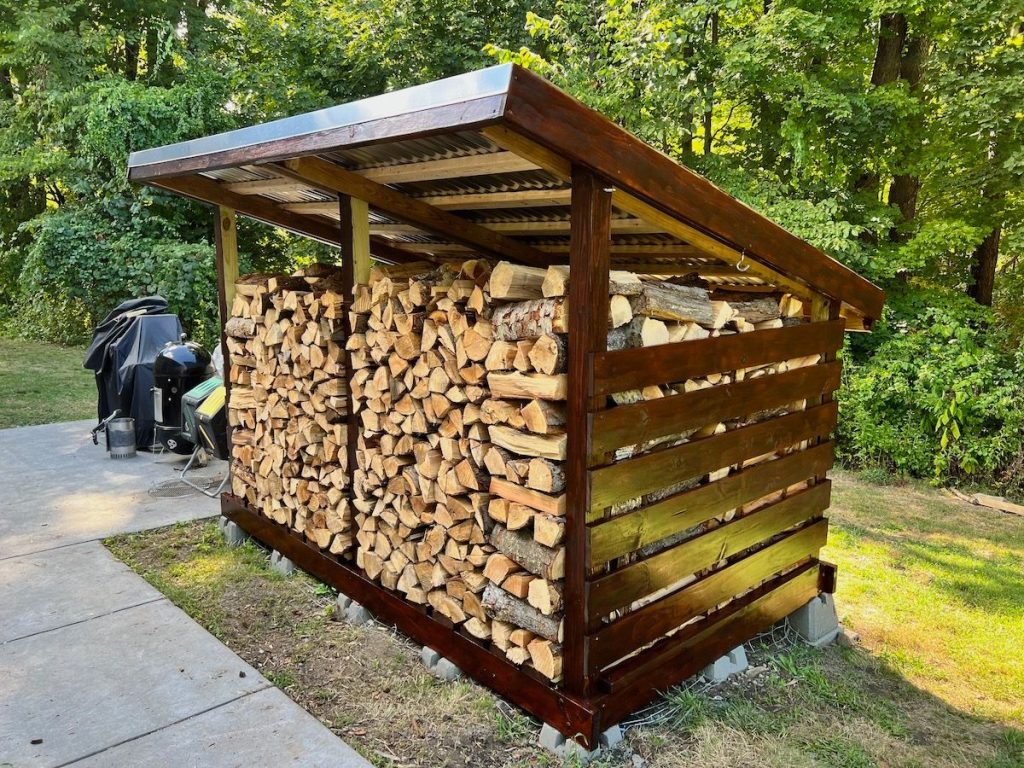
- Stack properly: Pile wood off the ground on the pallets or rails. Leave gaps between rows for airflow.
- Choose a sunny, breezy location: Wind and sunlight speed evaporation. Avoid closed sheds with poor ventilation.
- Cover the top, not the sides: Protect wood from the rain but allow air to circulate freely.
- Monitor progress: Use a moisture meter to check dryness. Logs should measure below 20% moisture before use.
- Rotate old and new stacks: Always use the oldest stock first.
If you can, mark the date each stack was created. This makes it easier to track seasoning time and ensures you burn the driest batch first.
Benefits of Dry Wood
Using properly seasoned firewood offers multiple benefits, both environmental and practical.
1. Higher heat output:
Dry wood for burning converts more of its mass into energy. Less energy is wasted evaporating water, so the room warms faster.
2. Cleaner combustion:
When wood is dry, combustion is more complete, producing fewer particulates and less creosote buildup inside chimneys.
3. Cost efficiency:
Seasoned firewood burns more slowly and evenly. You’ll need fewer logs to maintain steady heat, reducing overall consumption.
4. Appliance longevity:
Burning wet wood leads to condensation and acidic tar that damage stove linings. Using seasoned fuel prolongs equipment life.
5. Environmental protection:
Dry wood emits significantly less smoke and harmful gases, supporting cleaner air quality.
Dangers of Wet Wood
Wet or unseasoned firewood is inefficient and can be hazardous.
- Difficult to light: Excess moisture prevents wood from the proper ignition temperature.
- Low efficiency: Much of the heat energy goes to the evaporation of water instead of warming the room.
- Excess smoke: Wet logs emit dense smoke that contributes to air pollution.
- Creosote buildup: Incomplete combustion leaves sticky tar inside chimneys, creating a fire hazard.
- Corrosion risk: Continuous use of damp fuel damages metal stove components.
If you notice hissing sounds, sizzling, or blackened glass on your wood burner, your fuel is likely still too wet. Switching to seasoned logs will immediately improve performance.
When to Season Wood
Timing plays a major role in producing high-quality seasoned firewood.
- Spring: The best season to begin cutting and stacking. Warm air and long days promote fast drying.
- Summer: Maintain good airflow and keep stacks covered during occasional rain.
- Autumn: By this time, the wood should be ready for burning if split early in spring.
- Winter: Avoid cutting in freezing conditions; the seasoning process nearly stops in cold weather.
Seasoning is a gradual process. Depending on species, log size, and climate, it will take between six months and two years to be fully ready. Patience ensures top-quality fuel that produces consistent, efficient flames.
Related Advice
Heat Output Explained – How Hot Is Your Wood Burner?
Every log has a unique calorific value — the total energy released during combustion. Hardwoods provide the best heat density, while softwoods ignite faster but burn out sooner. To maximize efficiency, mix both types of fuel and adjust airflow settings.
9 Things to Do Before Buying a Log Burner
Before purchasing, check your home’s ventilation, choose the correct stove size, and ensure local compliance with smoke-control regulations. Select appliances with high efficiency ratings for your safety and sustainability.
Fixing Your Log Burner: What Parts Need Replacing and When?
Common parts that wear out include door seals, baffle plates, and glass panels. Regular inspection helps prevent breakdowns. If you see reduced draw or uneven flames, these components may need attention.
6 Log Burner Rules – and Why They’re Easy to Follow
- Burn only seasoned firewood.
- Keep your firewood dry and off the ground.
- Avoid household waste or treated timber.
- Ensure chimneys are swept regularly.
- Use correct airflow to maintain clean combustion.
- Store ash safely and dispose of it properly.
Following these simple rules guarantees efficient and responsible wood burning throughout the year.
Why Seasoned Firewood Matters
Seasoned firewood has a direct impact on the efficiency of every burn. When moisture is below 20%, flames are stronger, emissions are lower, and appliances perform better. It’s not just a matter of preference — it’s essential for safety and cost savings.
Some users mistakenly think that fresh logs provide better value. In reality, using damp wood means wasted energy and damaged stoves. Drying wood properly prevents these issues and ensures consistent comfort.
The science behind seasoned firewood is simple: when water evaporates before combustion, less heat is produced. By removing excess moisture, the same log produces far more usable warmth.
How to Recognize Well-Seasoned Firewood
There are several easy ways to tell if logs are ready:
- Cracks appear on the ends of the wood;
- Logs feel lighter than freshly cut pieces;
- When two pieces are struck together, they make a sharp clinking sound;
- Bark begins peeling away naturally;
- Flames ignite easily and produce minimal smoke.
It is also wise to verify dryness using a moisture meter — a small digital device that measures humidity inside the log. You can insert the pins in the split surface of wood for an instant reading.
Storing Your Firewood
Once seasoned, proper storage maintains quality.
- Keep stacks raised off the ground to prevent reabsorption of moisture.
- Allow at least 15 cm of air space between rows.
- Cover the top with waterproof sheeting but leave sides open.
- Store in a well-ventilated shed or lean-to.
- Rotate regularly so older logs are used first.
With correct storage, seasoned firewood can last several seasons without degrading.
Final Thoughts
Seasoning is a natural, reliable way to prepare sustainable fuel for stoves and fireplaces. The process may take months, but the rewards — cleaner burns, higher heat, and safer operation — are well worth the wait.
Whether buying from a supplier or preparing your own logs, always choose wood that is fully dry and responsibly sourced. This simple habit guarantees that every fire warms the home efficiently, economically, and with minimal environmental impact.Seasoned firewood remains the gold standard for clean, renewable heating — proof that patience and preparation produce the perfect flame.