Firewood Moisture Meter – How to Measure the Moisture Content of the Wood
A firewood moisture meter is a small but essential tool that ensures your logs are dry enough to burn efficiently. The correct moisture content of your fuel directly affects heat output, emissions, and appliance safety. Using a reliable wood moisture meter helps identify whether logs are ready for the fireplace or still too wet for use. This guide explains how to test your wood, interpret readings, and maintain your meter for the most accurate results.
How to Measure Moisture Content in Firewood
Accurate measurement is the foundation of responsible wood burning. Damp wood produces excessive smoke, wasted energy, and creosote buildup in chimneys. Dry wood, by contrast, burns hotter and cleaner. Below is a practical, step-by-step guide to check the moisture content of logs before use.
How to Use a Moisture Meter
A digital or analog wood moisture meter uses two metal probes known as the pins that are inserted into the wood to measure electrical resistance. Moisture conducts electricity; dry wood resists it. The meter converts this resistance into a percentage shown on the display.
1. Select three logs from your log store
Choose pieces from different sections of your pile — near the top, centre, and bottom. This gives a balanced overview of the entire batch’s condition.
2. Split your logs down the centre
Readings are more accurate when taken on freshly exposed surfaces. Moisture tends to be higher inside the wood than on the exterior.
3. Wipe any surface moisture off your split wood
If rain or dew is present, gently wipe it off with a cloth. Surface water can distort results.
4. Press your meter’s pins firmly into your wood
Push the probes across the grain, not along it, to ensure consistent contact. Repeat this action in several areas of each piece.
5. Record and compare results
Take multiple readings, note them down, and calculate the average. If you are measuring logs for a fireplace or stove, ideal results are below 20% moisture.
Top Tips When Using a Moisture Meter
- Test before every burn: Even seasoned wood can reabsorb moisture if stored improperly.
- Check different sizes: Larger logs dry slower; smaller splits give more consistent readings.
- Warm readings: If you can, test at room temperature; cold logs yield less precise data.
- Calibrate regularly: Over time, sensors drift — proper calibration keeps the meter reliable.
- Avoid testing wet bark: Always measure inside grain rather than damp exterior surfaces.
These practices ensure precise results and help you have ready-to-burn firewood every time.
Why Should You Measure Moisture Content?
Understanding the moisture level in logs is essential for efficient combustion. Wet fuel wastes heat energy evaporating water instead of generating warmth.
Benefits of Using a Moisture Meter
- Efficient heating – Dry logs generate more heat for your home and reduce wood consumption.
- Reduced emissions – Wet wood releases more smoke and pollutants.
- Appliance protection – Burning wet logs damages stoves and liners due to tar buildup.
- Savings over time – Using properly dried wood minimizes energy waste.
Recommended Moisture Levels
| Fuel Type | Ideal Moisture (%) | Result |
| Kiln-dried firewood | 10–15% | Best performance |
| Seasoned air-dried wood | 15–20% | Acceptable |
| Fresh/green logs | 35–60% | Too wet, unsafe |
It is always better to buy certified “Ready to Burn” firewood that guarantees low moisture levels.
Factors That Can Affect Moisture Content Readings
Even the best firewood moisture meter can give varying results depending on external influences. Understanding these ensures accuracy in every test.
Wood Species
Different woods retain water differently. Softwoods like pine dry faster than hardwoods such as oak. Always select similar species when comparing readings.
Temperature
Cold environments slow down readings. Warm both the device and the samples indoors before testing.
Depth of Measurement
The outer layer may appear dry, but in the wood core, moisture often remains high. That’s why splitting logs is crucial.
Battery of Moisture Meter
Low battery voltage leads to inconsistent readings. Replace or recharge regularly to avoid errors.
Time Taken to Measure After Splitting
If you wait too long, the split face begins drying, showing artificially low results. Measure immediately after splitting.
Moisture Meter Calibration
Follow manufacturer instructions to get precise calibration. Many models come with a reference block or built-in function for adjustment.
Decay
Rotted or moldy wood distorts readings because fungi alter electrical resistance. Exclude these pieces.
Proximity to Metal
Avoid testing wood placed on the metal surfaces like racks or nails — metal conducts electricity, skewing results.
Looking for Something Else?
Whether you are new to wood heating or experienced with fuel storage, exploring additional resources helps maintain high standards.
Related Advice
Bargain Logs, but at What Cost?
Low-cost bulk firewood may contain unseasoned or damp pieces. Always check moisture before buying, as high water content reduces efficiency and creates smoke.
Loose Firewood vs. Stacked Firewood
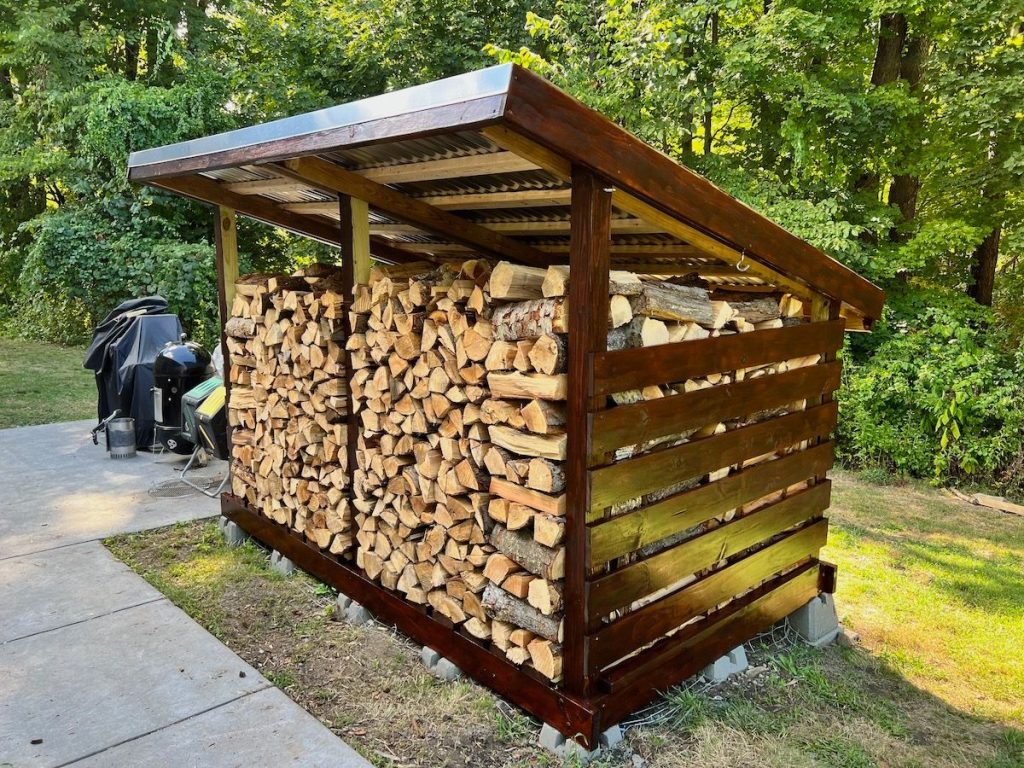
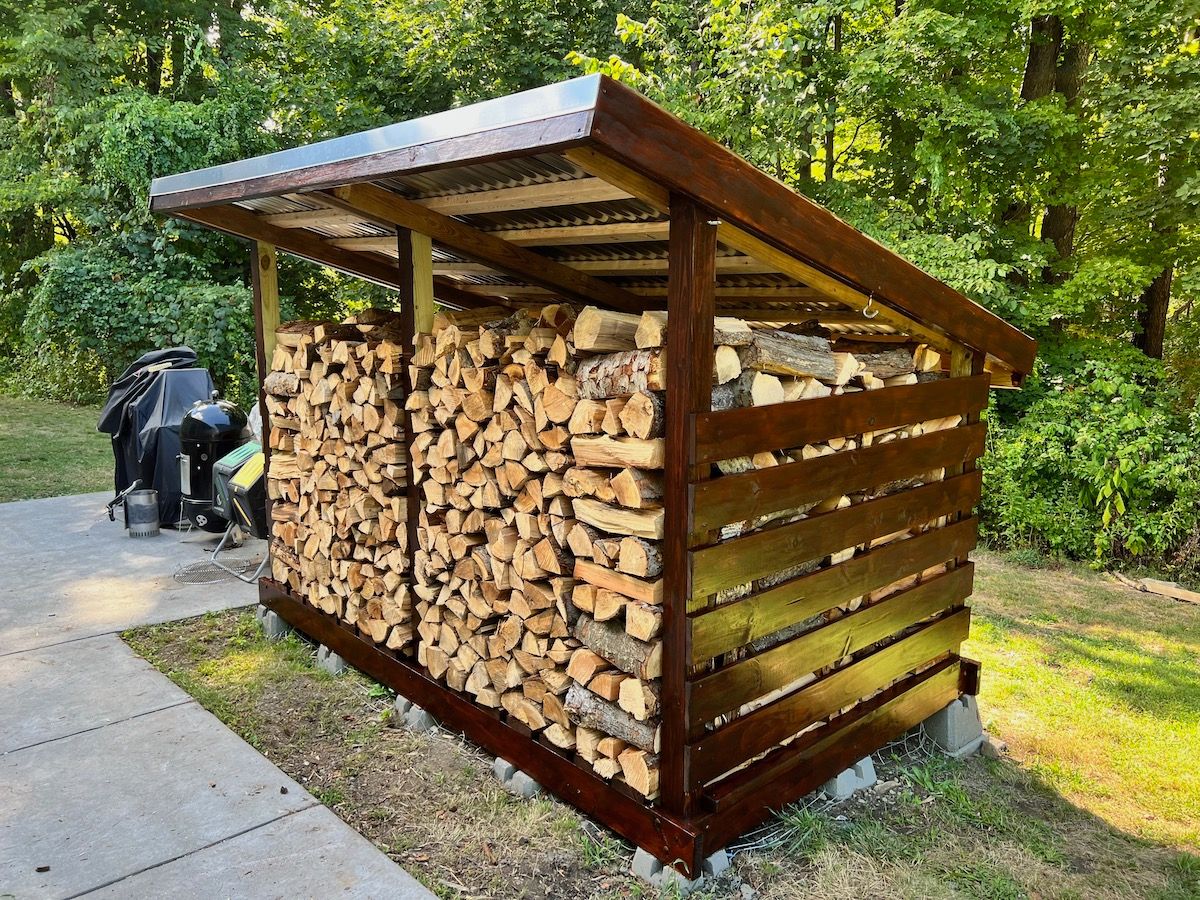
Loose piles dry unevenly, while stacked logs allow air circulation. Always stack neatly off the ground to maintain consistent dryness.
Storing Firewood Indoors and Outdoors
For outdoor storage, choose a sunny, breezy location and elevate logs on pallets. Indoors, store only small amounts to avoid introducing pests.
A Guide to Burn Responsibly
Responsible burning means using dry wood, proper airflow, and clean equipment. With correct moisture management, emissions drop dramatically.
How to Choose the Best Firewood Moisture Meter
Not all devices perform equally. When selecting a moisture meter, focus on the following features:
Key criteria:
- Dual-pin design for accurate contact;
- Digital LCD display with hold function;
- Adjustable wood type settings;
- Automatic power-off to preserve battery;
- Wide measuring range (6–60%).
Advanced models include Bluetooth connectivity and data logging, letting you can store results for future reference.
Maintenance and Care
To prolong the lifespan of your tool:
- Keep the pins clean after each reading;
- Avoid dropping or exposing the meter to high humidity;
- Replace batteries annually;
- Store it in a dry, moderate environment.
Routine care ensures your device stays accurate for years of reliable service.
Safety and Environmental Notes
Dry wood not only saves money but also protects the planet. Burning properly seasoned logs minimizes CO₂ emissions and harmful particulates. Local regulations often require approved fuels — always verify compliance before burning.
Contact Us
For expert advice on the best drying methods, storage solutions, and moisture testing, reach out to your local energy authority or certified wood supplier.
Enquiry
If you have questions about using a firewood moisture meter, contact authorized dealers or review guides provided by Woodsure, the EPA, or local suppliers. Reliable instruments guarantee that every piece of wood you will burn meets clean-air standards.
Final Thoughts
Every responsible homeowner should understand how to check fuel before lighting the fire. The combination of a quality wood moisture meter, regular maintenance, and careful storage guarantees long-lasting performance and safety. Remember: firewood with less than 20% moisture is the key to the perfect flame — efficient, bright, and clean.