Best and Worst Types of Wood for Your Fireplace
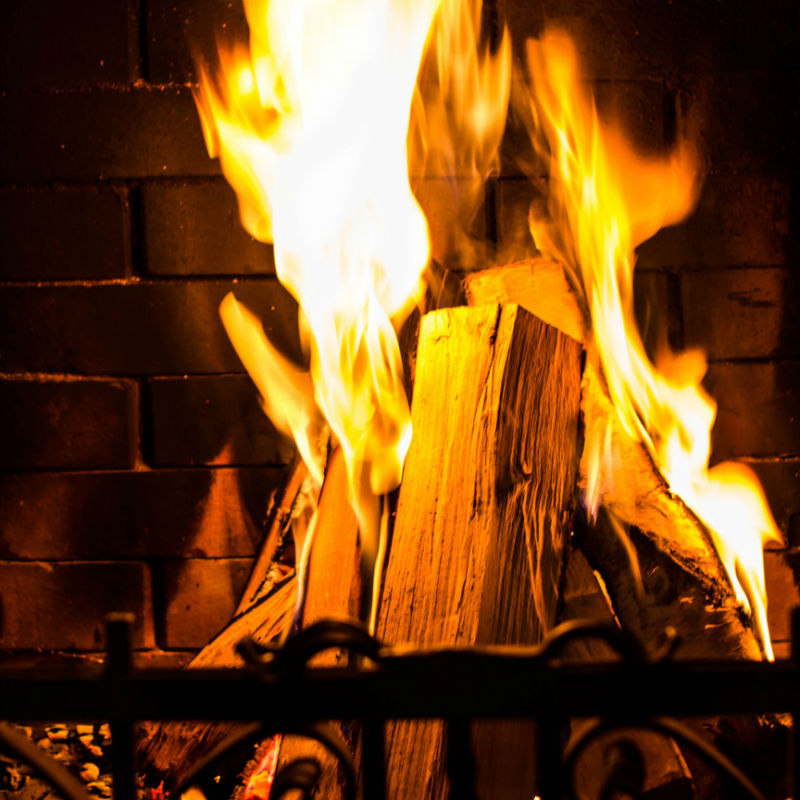
Choosing the best wood for your fireplace ensures a warm, efficient, and clean-burning experience all season long. The type of wood you use affects heat output, burn time, and the amount of smoke produced. Understanding which logs perform well and which don’t will help you make smart decisions for comfort and safety.
Best Types of Wood for Your Fireplace
When selecting firewood for a fireplace, hardwoods are the top choice. Dense species like oak, ash, or hornbeam provide steady heat and a long burn time, making them ideal for consistent warmth in a home.
Characteristics of the Best Woods
The best wood for a clean fire has been properly seasoned — dried until its moisture content is below 20%. Dry fuel burns efficiently, producing little creosote or soot. Here are a few standout options:
| Type of Wood | Heat Output | Burn Time | Smoke Level | Notes |
| Oak | High | Long | Low | Dense and long-lasting, perfect for overnight fires |
| Beech | High | Medium–Long | Low | Burns evenly with minimal smoke |
| Birch | Medium | Medium | Low–Medium | Lights easily and produces bright flame |
| Hornbeam | Very High | Long | Very Low | Extremely dense, high heat and a clean burn |
| Ash | High | Long | Low | Quick to season, reliable heat all around |
All these woods provide strong heat and consistent coals. When mixed together, they offer both easy ignition and sustained warmth.
Why Hardwoods Are Better
Hardwoods are heavier and denser than softwoods, which means they contain more energy per log. While softwoods like pine can be useful for kindling, hardwoods are preferred for a fireplace because they deliver a long burn and steady temperature.
Using the right mix of hardwoods improves heating efficiency and reduces buildup in the chimney. It also produces less popping or sap residue, keeping glass doors cleaner.
Worst Types of Wood for Your Fireplace
Not every type of wood is safe or efficient to burn. Some contain too much resin, moisture, or chemical treatment, leading to smoke and deposits.
Green or Unseasoned Wood
Freshly cut logs retain high water content. Burning green firewood creates excess steam and soot. It burns cooler and inefficiently, leaving behind sticky creosote that can ignite inside chimneys. Always allow logs to dry for at least 12 months before use.
Softwoods with High Resin
Woods like pine or spruce are full of sap. While they light quickly, they produce large amounts of smoke and can cause dangerous creosote buildup. They’re useful for kindling, but not for long-term heating.
Chemically Treated or Painted Wood
Never burn pallets, painted lumber, or furniture pieces. Chemicals released during combustion are toxic and can damage stoves or flues. Only use untreated, natural logs that have been properly dried.
Driftwood or Saltwater Wood
Driftwood may seem attractive, but salt residue corrodes metal components of the stove and releases harmful gases when burned. Avoid using it indoors entirely.
Types of Wood That Don’t Burn Well in Your Fireplace
Certain species naturally hold more moisture or burn too fast. If you’re unsure about your supply, it’s safer to burn small batches first. Below are examples of wood that is less efficient:
- Poplar and Willow: These have low density and high moisture retention, resulting in a quick but weak fire.
- Alder: Easy to light but provides little heat and short burn time.
- Chestnut: Sparks excessively, unsafe for open fireplaces.
- Eucalyptus: Has a strong scent and can leave oily deposits on glass.
- Cedar: Great aroma, but too fast-burning for a long night indoors.
Using these types occasionally can be fine for outdoor fires, yet they’re not recommended for your fireplace because they waste energy and create more ash than heat.
To Sum Up
Selecting the best firewood depends on balancing ignition, efficiency, and safety. Hardwoods such as oak, beech, ash, and hornbeam are excellent choices for both heat and durability. Softwoods may be handy for kindling but shouldn’t be the main source of wood for a home fire.
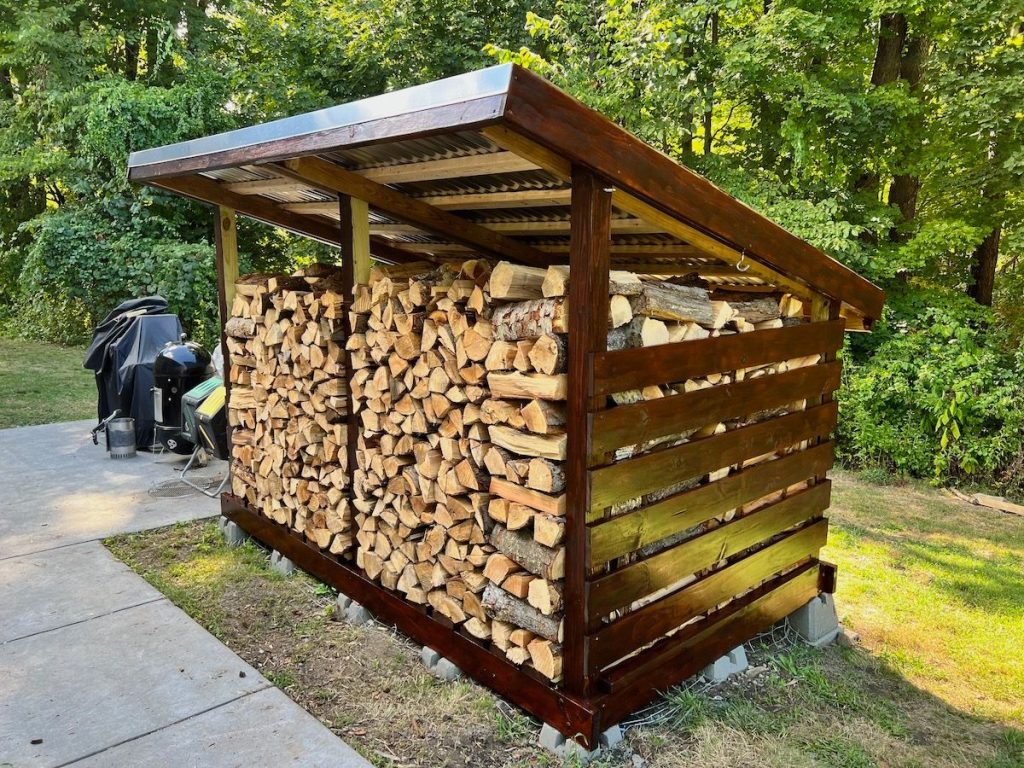
Your wood should always be seasoned, stored in a dry place, and protected from moisture. Properly dried logs offer consistent burn time, minimal smoke, and a radiant, long-lasting fire.It is worth remembering that the perfect fireplace experience comes from the right balance — start with a quick-lighting softwood, then add dense hardwoods to make it last. When all steps are followed, every log can be transformed into steady heat and comfort.