Wood Trends in 2025: What’s New in Sustainable Construction?
Introduction
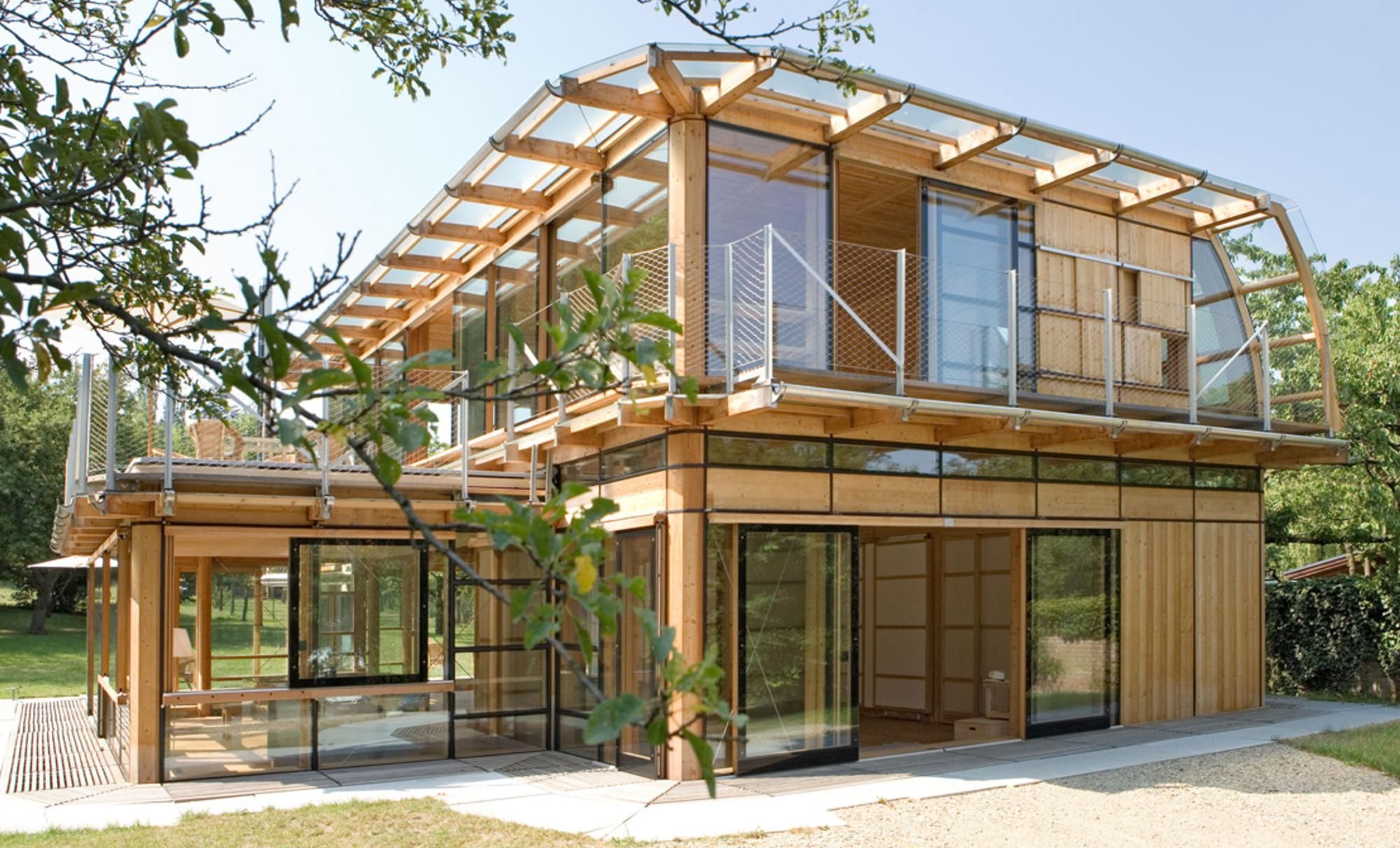
Sustainable construction has been gaining momentum in recent years, and wood continues to be at the forefront of this movement. As environmental concerns and technological advancements shape the industry, the use of wood in construction is evolving. In 2025, new trends are emerging that highlight innovative techniques, eco-friendly sourcing, and enhanced durability, making wood an even more attractive option for builders and architects.
Advancements in Engineered Wood
Engineered wood products are becoming more sophisticated, offering enhanced strength, stability, and sustainability. Cross-laminated timber (CLT) is gaining traction as a primary material for high-rise buildings due to its impressive load-bearing capacity and fire resistance. Laminated veneer lumber (LVL) and glued laminated timber (glulam) are also evolving, with improved bonding techniques that enhance their durability and resistance to environmental conditions.
Smart Wood Technologies
The integration of smart technology into wood construction is revolutionizing the industry. Innovations in moisture-resistant coatings and self-healing finishes are extending the lifespan of wooden structures. Sensors embedded in wooden beams can now monitor humidity levels, structural integrity, and even detect pests, providing real-time data that helps with maintenance and long-term sustainability.
Sustainable Sourcing and Certification
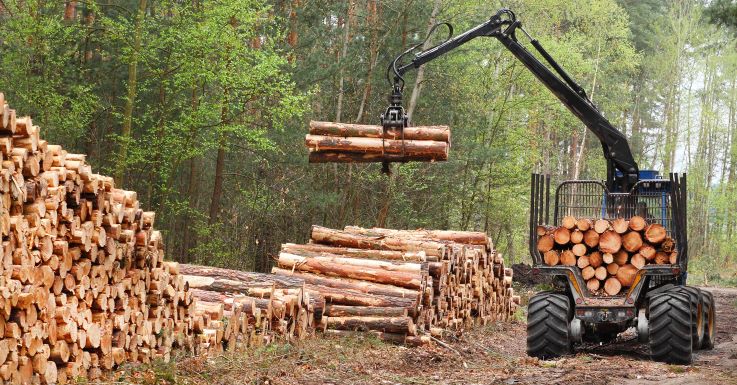
Ethical sourcing is more critical than ever, with a growing emphasis on sustainability certifications such as Forest Stewardship Council (FSC) and Programme for the Endorsement of Forest Certification (PEFC). The industry is seeing an increase in reclaimed wood usage, reducing waste and minimizing environmental impact. More companies are committing to sustainable forestry practices, ensuring that harvested wood is replaced and that biodiversity is maintained.
The Rise of Bamboo and Alternative Woods
Bamboo is becoming a popular alternative to traditional timber due to its rapid growth rate and high sustainability. In 2025, engineered bamboo products are being used more frequently for structural and aesthetic applications. Additionally, lesser-known hardwood species are gaining recognition as viable alternatives, reducing the strain on commonly used wood types such as oak and teak.
Prefabrication and Modular Construction
Prefabrication is revolutionizing the construction industry, and wood is playing a significant role in this shift. Prefabricated wooden structures are becoming more efficient and cost-effective, reducing construction waste and speeding up building timelines. Modular wooden buildings, which allow for flexible and scalable designs, are being embraced in both residential and commercial projects.
Biodegradable and Recyclable Wood Products
Sustainability efforts in 2025 are focusing on materials that leave minimal environmental footprints. Biodegradable wood treatments and recyclable wood-based composites are being developed to ensure that construction materials can be repurposed or naturally decompose at the end of their lifecycle. This innovation is particularly important for reducing landfill waste and promoting circular economies in construction.
Conclusion
Wood continues to be a cornerstone of sustainable construction, with advancements in engineered wood, smart technologies, and ethical sourcing shaping the industry. The rise of alternative materials like bamboo, the growth of prefabricated wooden structures, and the development of biodegradable products signal a promising future. As 2025 unfolds, these trends are setting the stage for a more eco-friendly and efficient approach to wood construction, ensuring that sustainability remains a priority in the built environment.